Hydrogen (H2)
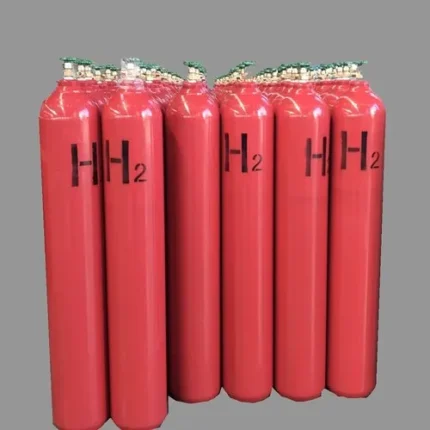
Hydrogen (H2) is a gas without odor, color, or taste, generated through either natural gas steam reforming or water electrolysis. Being lighter than air, it produces a clean and invisible flame without carbon or soot. Notably, hydrogen is the sole fuel gas devoid of carbon atoms. It boasts the highest thermal conductivity among all gases. When combined with oxygen, the hydrogen flame achieves a temperature of 2834°C.
It is often mixed with argon to create a range of argon/hydrogen shielding gases for TIG and plasma welding. These shielding gas mixtures are primarily used for welding austenitic stainless steels and some nickel alloys. Hydrogen can also be used with argon in a range of gas mixtures for plasma-cutting (stainless steel and aluminum mainly).
Hydrogen extends its utility far beyond being a fuel gas, finding diverse applications in the manufacturing of carbon steels, special metals, and semiconductors. Within the electronics sector, it serves as a prevalent reducing agent and carrier gas. Additionally, high-purity hydrogen plays a crucial role as a carrier gas in gas chromatography.
In addition, it can be combined with oxygen for underwater flame-cutting. Deeper cutting applications require higher fuel and oxygen pressures. Hydrogen is ideal here as it is supplied at higher pressures than other fuel gases. In the glass industry, hydrogen is used to form the rim on glasses.
Industrial Nitrogen Refill
| Aspect | Information |
|---|---|
| Service Type | Gas Cylinder Refilling Service |
| Purpose | Refill gas cylinders for various applications (e.g., med, industrial use) |
| Location | Various cities and regions |
| Pricing | Prices vary based on refill capacity and provider |
| Safety Measures | Adherence to strict safety protocols |
| Quality Assurance | Use of high-quality gas and equipment |
Industrial Oxygen Refill
| Aspect | Information |
|---|---|
| Service Provider | Lokseva Traders |
| Services Offered | Gas cylinder refilling for industrial, commercial, and residential use |
| Cylinder Sizes | Varied sizes ranging from 10 liters to 100+ liters |
| Refill Capacity | Depends on cylinder size, typically measured in cubic meters |
| Safety Standards | Adheres to industry safety regulations and protocols |
| Refilling Process | Follows strict guidelines to ensure safety and efficiency |
| Pricing | Variable based on gas type, cylinder size, and refill volume |
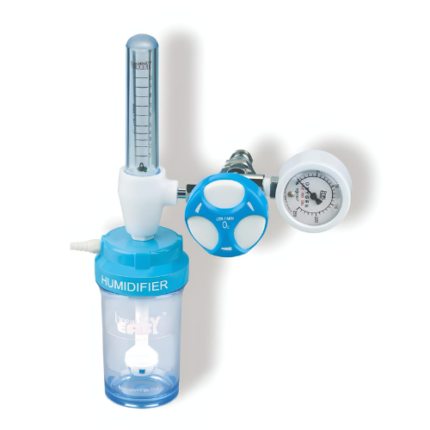
Medical Oxygen Flow Meter

Medical Oxygen Flow Meter / Digital Type
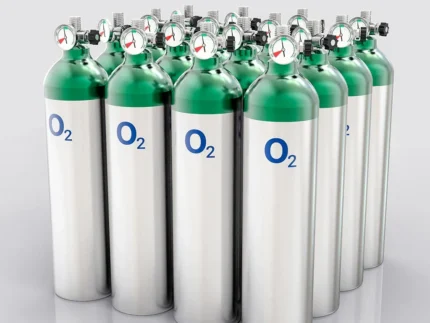
Medical Oxygen Gas (MO2)
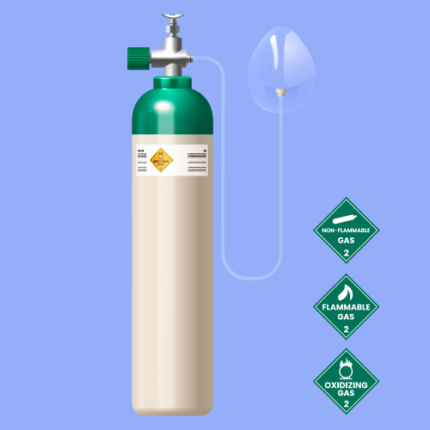
Oxygen USP gas, devoid of color, smell, or taste, serves as a respiratory aid crucial for sustaining life. Oxygen USP gas, with its transparent and scentless properties, serves as a vital respiratory support, ensuring the sustenance of life. Its medical applications include treatment in both chronic and acute conditions:
- To treat hypoxia or chronic obstructive pulmonary disease (COPD)
- To supply ventilators during anaesthesia or resuscitation
- As nebulization for respiratory aerosol medications
- In hyperbaric oxygen therapy
- Against cluster headaches
Medical Oxygen Refill
| Attribute | Description |
|---|---|
| Gas Type | Medical Oxygen |
| Purpose | Used for medical treatments and therapies |
| Refill Process | Cylinder exchange or refill |
| Refill Capacity | Typically ranging from small portable cylinders to large stationary tanks |
| Pressure | Varies depending on the size and type of cylinder/tank |
| Purity | Oxygen purity typically exceeds 99% |
| Refill Cost | Varies based on the supplier and region |
| Regulatory Standards | Compliant with medical gas regulations |
| Usage | Administered to patients via oxygen therapy devices or medical equipment |
| Importance | Crucial for patients with respiratory conditions or during medical emergencies |
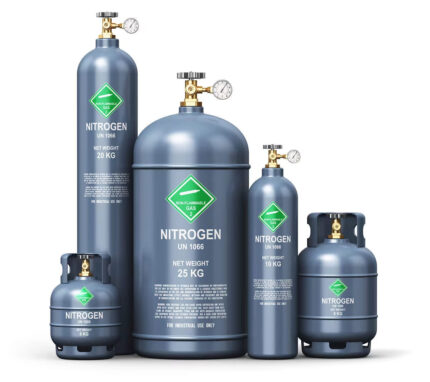
Nitrogen (N2)
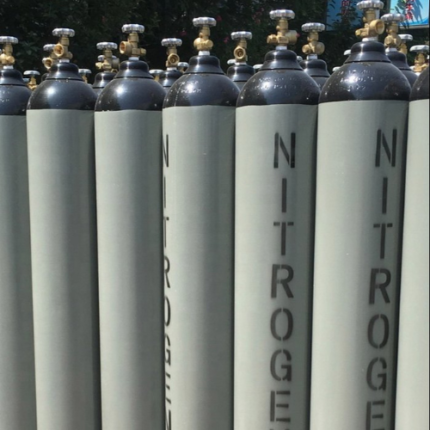
Nitrogen serves various essential functions across industries, particularly in the food and chemical sectors, where it is utilized for blanketing, purging, and sparging. Additionally, it plays a crucial role in modified atmosphere packaging (MAP) for food products. In its liquid state, nitrogen proves valuable for shock-freezing food, storing biological materials, conducting cryosurgery, and cryogenically processing plastics and rubbers.
The semiconductor industry relies heavily on nitrogen, employing it as both a purge and carrier gas. In electronics, it serves as an inerting agent for epitaxial reactors and functions as a carrier, zero, and balancing gas in laboratory analyses. Nitrogen finds applications in diverse areas such as heat treatment, ammonia production, fire extinguishing in mines, tire filling, shrink-fitting, and cold traps, contributing to enhanced vacuum efficiency.
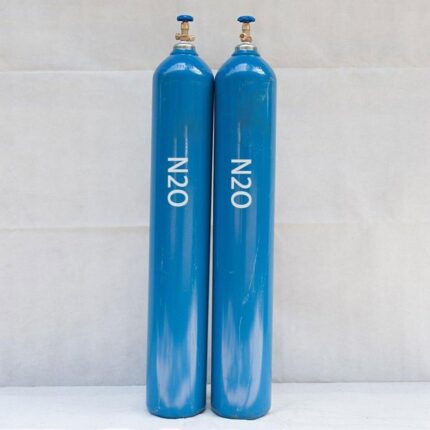
Nitrous Oxide (N2O)
Nitrous oxide, an odorless, colorless, and non-flammable gas, induces euphoria, earning its ‘laughing gas’ nickname. Despite minimal effects on respiration and hemodynamics, it’s not a standalone anesthetic. Typically combined with more potent agents, nitrous oxide’s analgesic and anesthetic properties make it a valuable adjunct in various medical contexts. This overview details indications, mechanisms, administration methods, adverse effects, contraindications, monitoring, and toxicity, enabling providers to optimize outcomes in anesthesia and therapeutic applications.
- Summarize the indications for using nitrous oxide.
- Describe the mechanism of action of nitrous oxide.
- Identify the contraindications and adverse events associated with nitrous oxide.
- Review the importance of improving care coordination among the interprofessional team to enhance the delivery of care for patients who can benefit from the administration of nitrous oxide.
Oxygen (O2)
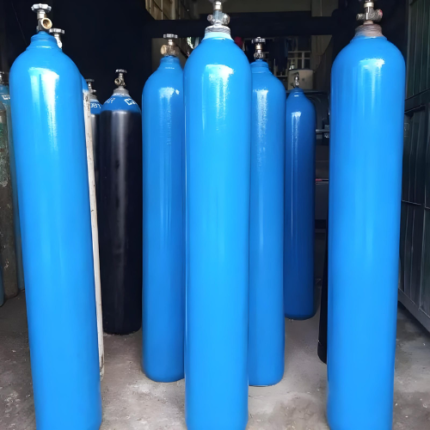
Oxygen is a colorless, odorless reactive gas and the life-supporting component of air. It forms just under 21% of the Earth’s atmosphere and is the most abundant element in the Earth’s crust, mainly in the form of oxides, silicates, and carbonates.
In addition to its use as a respiratory gas for healthcare applications, oxygen has strong oxidizing properties that can benefit many industries by improving yields, optimizing performance, lowering costs, and reducing carbon footprint compared to other fuels. Oxygen enrichment or replacement of air also enhances chemical and biological process efficiency.
Application of Oxygen:
- Steel Manufacturing
- Chemical Processing
- Pulp and Paper
- Energy
- Health Care Services
- Metal Fabrication

Portable Oxygen Cylinder